
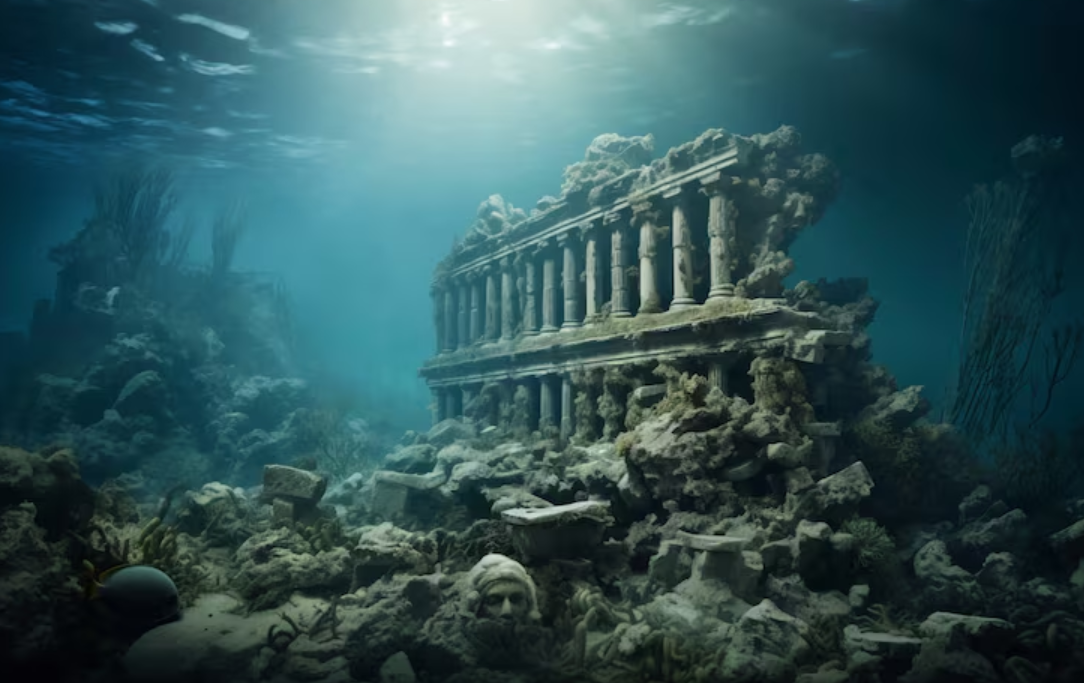
Throughout human history, few events have captured the imagination and fear of societies quite like the great flood. Found in myths, legends, and religious texts across the globe, this catastrophic event is often described as a monumental deluge that reshaped the Earth and the lives of its inhabitants. While the details differ across cultures, the recurring theme of overwhelming waters wiping out civilizations suggests it left a deep imprint on human consciousness.
A Shared Memory Across the World
From Mesopotamia to Mesoamerica, ancient texts recount stories of the great flood. These narratives often share common elements: divine anger, human moral decline, a chosen survivor, and the renewal of life. In the Epic of Gilgamesh, for example, the gods unleash a flood to cleanse the Earth, sparing only Utnapishtim, who builds a massive boat. Similarly, in the biblical story of Noah’s Ark, the flood serves as both punishment and an opportunity for rebirth.
Even in distant parts of the world, such as the Aboriginal legends of Australia or the Chinese tale of Yu the Great, the great flood remains a central theme. The consistency of these stories hints that they may have originated from shared human experiences of massive flooding during ancient times, possibly due to melting ice caps or tectonic shifts.
The Symbolism of Water in Ancient Cultures
Water, while essential for life, has always carried dual symbolism in ancient civilisations—representing creation and destruction. In many cultures, the great flood symbolised a divine reset button, washing away corruption and allowing humanity to start anew. It also reinforced the belief that natural forces were controlled by higher powers, influencing religious practices and moral codes.
For example, in Hindu mythology, the story of Manu describes how he is warned by a fish (the god Vishnu in disguise) about an impending flood. Manu builds a boat and survives, repopulating the Earth after the waters recede. Such stories not only carried spiritual lessons but also served as warnings for future generations about respecting nature and moral conduct.
Possible Historical Roots of The Great Flood
While myth and reality often intertwine, researchers suggest that the great flood may have stemmed from actual historical events. Geological evidence points to catastrophic flooding in different parts of the world—such as the sudden filling of the Black Sea around 7,600 years ago or large-scale river floods in Mesopotamia. These events could have been exaggerated over time, transformed into powerful cultural narratives.
In ancient Mesopotamia, frequent flooding from the Tigris and Euphrates rivers would have been both a blessing and a curse. These floods brought fertile soil, enabling agriculture to thrive, but they also caused devastation when they arrived unexpectedly. Over time, repeated exposure to such disasters may have inspired the region’s flood legends.
Impact on Ancient Civilisations
The consequences of the great flood—real or mythological—were profound for ancient civilisations.
- Cultural Preservation – Flood myths were passed down orally and later inscribed in texts, becoming part of a culture’s identity and moral framework.
- Religious Influence – Many religions adopted flood narratives to reinforce the themes of divine justice, human morality, and renewal.
- Architectural Advancements – Civilisations in flood-prone areas developed innovative water management systems, such as levees, canals, and elevated settlements, to protect against future disasters.
- Migration and Settlement Changes – Large floods often forced populations to relocate, influencing the spread of cultures, technologies, and trade networks.
- Economic Shifts – Agricultural systems had to adapt to changing landscapes, with some societies transitioning from flood-dependent farming to irrigation-based methods.
Lessons for Modern Society
Although the great flood belongs to ancient history and mythology, its lessons remain relevant today. The recurring theme of environmental catastrophe reminds us of the delicate balance between human progress and nature’s power.
In a world where climate change is causing rising sea levels and extreme weather events, the symbolism of the great flood serves as a stark reminder to respect and prepare for nature’s unpredictability. The ancient emphasis on moral responsibility also resonates, urging societies to act wisely to protect both the environment and one another.
The Lasting Legacy
The endurance of the great flood story across cultures and centuries is remarkable. It is more than just a tale of destruction—it is a narrative of survival, resilience, and rebirth. Whether you interpret it as a divine act, a historical disaster, or a symbolic warning, its influence is undeniable.
From inspiring epic literature to shaping religious doctrines, the great flood has left an indelible mark on human civilisation. It binds us to our ancestors through a shared memory of facing overwhelming odds and emerging with renewed purpose.
Conclusion
The story of the great flood is one of humanity’s oldest and most powerful narratives, connecting cultures across continents and millennia. It shaped ancient civilisations by influencing their beliefs, guiding their architecture, and redefining their relationship with the environment. Even today, it continues to inspire lessons about resilience, unity, and the importance of respecting the forces of nature.
At UEF Foundation, we believe that revisiting such timeless stories helps us understand the shared experiences that unite us as humans—reminding us that, no matter the challenge, humanity has always found ways to adapt, survive, and rebuild.